Infrastructure Digital Twins: A New Frontier for ICT Outsourcing
- 1 min read
Explore how Infrastructure Digital Twins are redefining ICT outsourcing. Learn how virtual replicas drive efficiency, predictive maintenance, and ROI for enterprises.
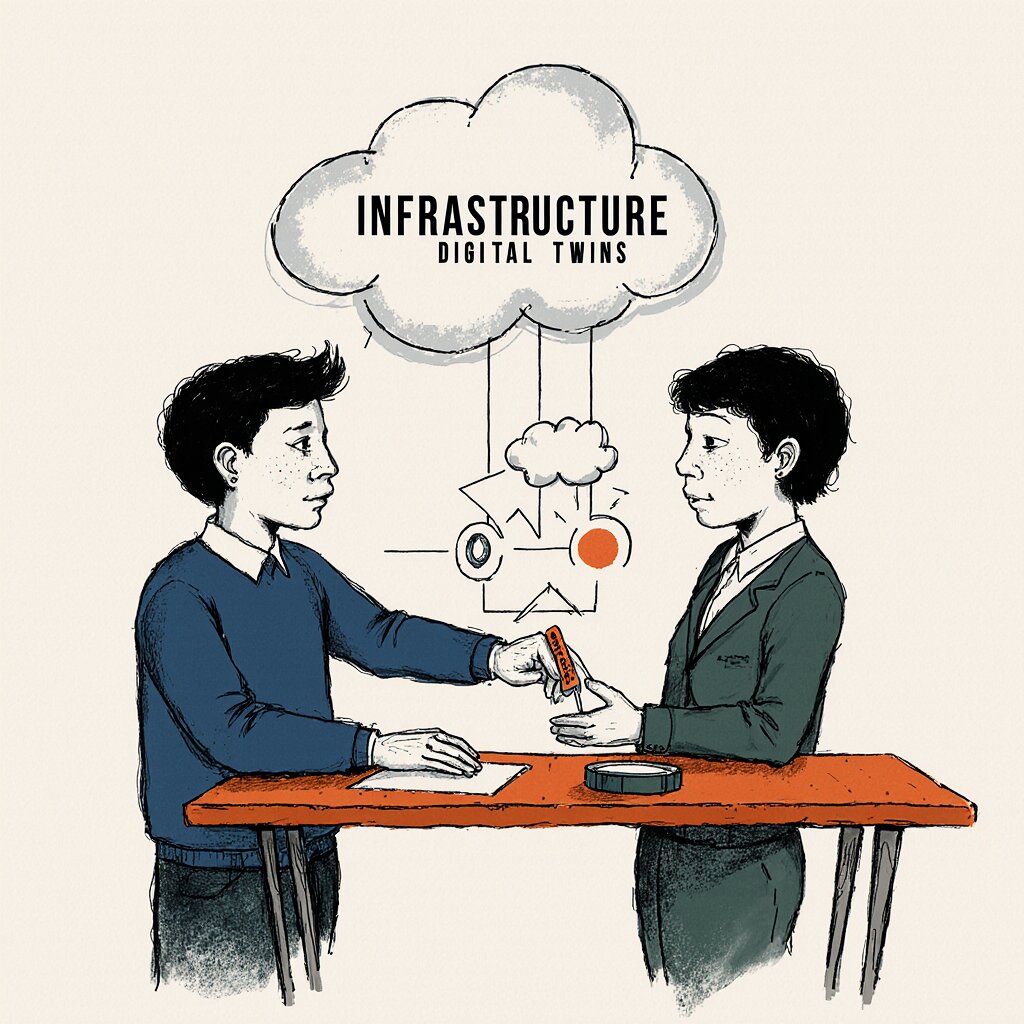
The Visibility Gap in Distributed Enterprise Systems
The complexity of modern European enterprise infrastructure has reached a tipping point where traditional monitoring no longer suffices. As organizations scale across borders, the gap between what is documented and what is actually running in the data center grows.
Digital twins—once the exclusive domain of manufacturing and urban planning—are now essential for ICT outsourcing. For the CTO, this represents a shift from reactive troubleshooting to a proactive, simulation-based model of governance.
The convergence of IoT, AI, and cloud architecture has made high-fidelity virtual replicas a prerequisite for digital transformation. Ignoring this frontier means operating in a persistent state of technical debt and visibility-induced risk.
The Strategic Shift: Beyond Static Monitoring
The traditional outsourcing model often relies on static inventory lists and periodic audits. These methods are inherently flawed because they provide a "rear-view mirror" perspective. An Infrastructure Digital Twin provides a live, breathing representation of every server, switch, and cloud instance.
By integrating real-time telemetry with architectural blueprints, organizations can simulate "what-if" scenarios before committing to expensive hardware refreshes or migration projects. This level of strategic IT planning minimizes the margin for error in large-scale deployments.
Recent analysis by Gartner suggests that digital twins are becoming central to platform engineering and modern operations. Furthermore, the European Commission emphasizes the role of virtual modeling in building a resilient digital sovereignty.

Optimizing ICT Outsourcing with High-Fidelity Data
When an organization chooses to outsource its ICT functions, the primary friction point is often the transfer of knowledge. A digital twin acts as a "single source of truth" that bridges the gap between the client and the service provider.
- Automated Discovery: Real-time synchronization ensures the twin always reflects the physical reality.
- Predictive Maintenance: AI models analyze historical data to predict component failure before it impacts service levels.
- Security Mapping: Visualizing network traffic within a twin allows for faster identification of anomalies.
This model allows IT procurement leaders to move toward performance-based contracts rather than just labor-based ones. With clear visibility into the health of the infrastructure, service level agreements (SLAs) become more transparent and easier to enforce.
Industry Insight: The ROI of Virtualization
Data-backed perspectives from McKinsey indicate that companies implementing digital twin technology at scale have seen significant reductions in operational costs and improvements in system uptime.
In the context of European IT, where energy efficiency and sustainability (ESG) are critical, digital twins allow for precise thermal and power optimization. By simulating airflow and power consumption in the virtual environment, enterprises can reduce their carbon footprint while maintaining peak performance.

Euro IT Sourcing Perspective
From our experience working with European technology-driven organizations, the transition to digital twin-ready infrastructure is rarely about the technology itself, but rather about data hygiene. We have observed that organizations that prioritize clean, structured metadata for their assets achieve a faster ROI when implementing twin models.
We believe that the future of outsourcing is "Twin-First." By building the virtual environment alongside the physical implementation, we provide our clients with a level of transparency that was previously impossible. This approach eliminates the "black box" syndrome often associated with managed services.

Results and Strategic Impact
Describing outcomes using industry benchmarks and estimated improvements:
- Faster Time-to-Market: Rapid prototyping of infrastructure changes reduces deployment cycles.
- Cost Optimization: Reduction in redundant hardware spend through precise capacity planning.
- Reduced Operational Risk: Rehearsing disaster recovery in a virtual space before real-world execution.
Key Takeaways
- Digital twins provide a dynamic, real-time alternative to traditional static IT asset management.
- Integration of virtual replicas into ICT outsourcing agreements increases transparency and accountability.
- Predictive capabilities of digital twins significantly reduce unplanned downtime and maintenance costs.
Author: Matt Borekci https://www.linkedin.com/in/matt-borekci
Contact Us: https://www.euroitsourcing.com/en/contact


Blockchain-Enabled Smart Contracts for Transparent Outsourcing Payments
Transform IT procurement with blockchain smart contracts. Drive transparency, automate milestone payments, and mitigate risk in European outsourcing partnerships.