Modernizing Legacy Systems: Outsourcing for Agility
- 1 min read
Discover how outsourcing helps modernize legacy systems, improve agility, and reduce costs for European enterprises.

Why Legacy Systems Are Slowing Down European Innovation
Legacy systems are no longer just a technical constraint. They are a strategic liability. Across Europe, enterprises are under pressure to innovate faster while maintaining compliance and stability.
Many organizations still rely on outdated architectures. These systems were not designed for cloud environments or modern integrations. As a result, they create bottlenecks in delivery pipelines and increase operational risk.
The urgency is growing. Digital transformation initiatives are accelerating. Yet legacy environments limit scalability, agility, and responsiveness. This gap is pushing organizations to rethink how modernization should be executed.
The Challenge of Legacy System Modernization
Modernizing legacy systems is complex. It requires balancing innovation with business continuity.
Common challenges include:
- High dependency on outdated technologies
- Limited internal expertise in modern stacks
- Risk of downtime during migration
- Integration issues with new platforms
- Rising maintenance costs
In many cases, internal teams are already stretched. Adding modernization initiatives creates execution risk.

A Strategic Approach to Modernization
A structured approach is essential to avoid disruption and cost overruns.
Key steps include:
- Assessment: Identify critical systems and dependencies
- Prioritization: Focus on high-impact applications first
- Decoupling: Break monolithic architectures into modular components
- Migration Strategy: Choose between rehosting, refactoring, or rebuilding
Organizations that treat modernization as a phased journey achieve better outcomes. Quick wins help build momentum while reducing risk.
For deeper frameworks, organizations often refer to industry guidelines such as those from Gartner and McKinsey.
The Role of Outsourcing in Driving Agility
Outsourcing has become a key enabler of modernization. It provides access to specialized expertise without long hiring cycles.
Benefits of outsourcing include:
- Faster access to skilled developers
- Experience with modern architectures and tools
- Scalability of teams based on project needs
- Reduced operational burden on internal teams
Nearshore outsourcing, particularly within Europe, offers additional advantages. These include time zone alignment and cultural compatibility.
This model allows organizations to accelerate transformation while maintaining control over strategic direction.

Technology and Delivery Models That Work
Modernization efforts benefit from the right combination of technologies and delivery models.
Common enablers include:
- Cloud platforms for scalability and flexibility
- Microservices architecture for modular development
- DevOps practices for continuous delivery
- AI-assisted development tools for productivity gains
Agile delivery models are critical. Iterative development reduces risk and improves alignment with business needs.
Organizations that combine outsourcing with agile methodologies often achieve faster and more predictable outcomes.
Risks and Trade-offs to Consider
While outsourcing accelerates modernization, it introduces new considerations.
Key risks include:
- Vendor dependency
- Data security and compliance concerns
- Communication gaps across distributed teams
- Quality control challenges
Mitigation requires strong governance. Clear KPIs, regular communication, and well-defined SLAs are essential.
Standards from organizations like NIST and ISO can help guide risk management practices.
Industry Insight
According to recent reports from McKinsey, up to 70 percent of digital transformation initiatives fail to meet their objectives. A major contributing factor is the inability to modernize legacy systems effectively.
Gartner highlights that organizations investing in application modernization see significant improvements in operational efficiency and time-to-market.
These insights reinforce the importance of combining strategy, technology, and execution capabilities.
Euro IT Sourcing Perspective
From our experience working with European technology-driven organizations, modernization is rarely just a technical upgrade.
It is a shift in mindset. Teams must move from maintaining systems to continuously improving them.
We have observed that organizations succeed when they:
- Combine internal knowledge with external expertise
- Adopt incremental modernization strategies
- Align IT initiatives with business goals
Outsourcing plays a critical role in enabling this transition. It provides the flexibility needed to scale efforts without overloading internal teams.
Results and Impact
Organizations that successfully modernize legacy systems through outsourcing typically achieve:
- Faster time-to-market for new features
- Reduced infrastructure and maintenance costs
- Improved system reliability and scalability
- Enhanced ability to integrate with modern platforms
In many cases, development cycles are shortened significantly. This creates a competitive advantage in fast-moving markets.
Key Takeaways
- Legacy systems are a major barrier to agility and innovation
- A phased modernization strategy reduces risk and improves outcomes
- Outsourcing provides access to critical expertise and scalability
- Agile and cloud-native approaches accelerate transformation
- Strong governance is essential to manage outsourcing risks
Author & Contact
Author: Matt Borekci https://www.linkedin.com/in/matt-borekci
Contact Us: https://www.euroitsourcing.com/en/contact
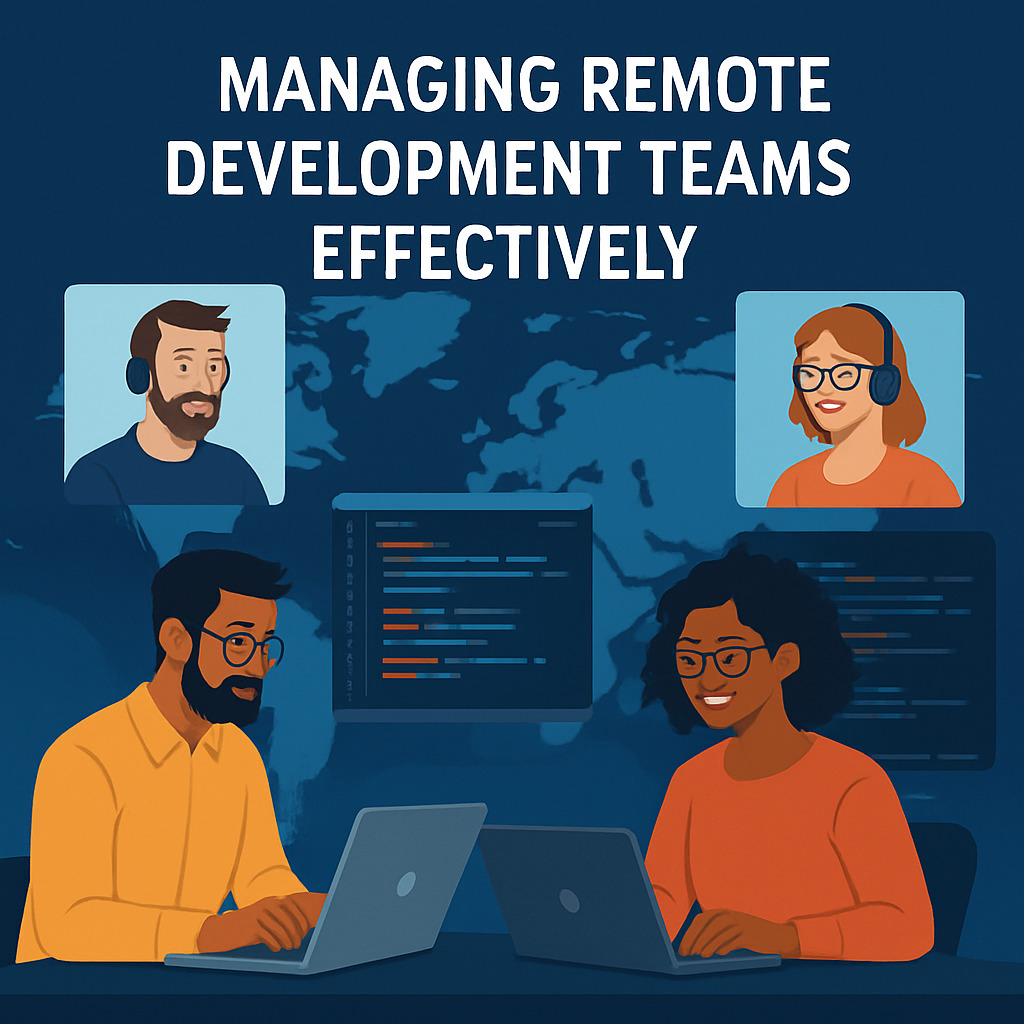
Managing Remote Development Teams Effectively in 2025
Learn how to effectively manage remote development teams with actionable strategies, best practices, and the benefits of working with developers from Eastern Europe.
From Vendor to Strategic Ally: Rethinking the Outsourcing Relationship
Discover how modern outsourcing evolves from transactional vendor models to strategic partnerships that drive innovation and long-term business growth.