Cost-Optimization via Staff Augmentation: 5 Proven Tactics
- 1 min read
Learn how staff augmentation helps enterprises optimize IT costs while maintaining delivery speed, flexibility, and access to specialized talent.

Introduction
In an era of tight IT budgets and rising delivery expectations, organizations are under pressure to do more with less. Traditional hiring models often lack the flexibility required to respond to fluctuating workloads and fast-changing technology demands.
Staff augmentation has emerged as a strategic cost-optimization lever, enabling companies to scale engineering capacity without the long-term financial burden of permanent hires. When executed correctly, it balances cost efficiency with operational control.
From our experience working closely with European enterprises, staff augmentation is no longer just a tactical fix. It is a core component of modern IT workforce strategy.
The Challenge: Rising IT Costs and Limited Flexibility
Many organizations face similar structural challenges:
- High fixed costs tied to full-time employment
- Long recruitment cycles for specialized roles
- Underutilized resources during low-demand periods
- Increasing pressure to deliver faster without compromising quality
These issues make cost predictability difficult and limit the ability to adapt quickly to market or project changes.
The Approach: Strategic Staff Augmentation
Staff augmentation introduces a flexible, on-demand workforce model that integrates external specialists directly into internal teams.
Key characteristics include:
- Shorter onboarding cycles
- Pay-for-what-you-use cost structure
- Access to niche expertise without long-term commitment
- Retained managerial and architectural control
According to Gartner, flexible sourcing models are increasingly adopted by enterprises seeking cost discipline and agility in software delivery.
Reference: https://www.gartner.com

The Technology Factor: Enabling Efficient Collaboration
Modern collaboration tools and cloud-based development environments make distributed teams more effective than ever.
Critical enablers include:
- Cloud-native development platforms
- Secure access and identity management
- Agile project management frameworks
- AI-assisted development and testing tools
Standards from organizations such as NIST highlight how secure remote collaboration can be implemented without increasing operational risk.
Reference: https://www.nist.gov
5 Proven Tactics for Cost-Optimization via Staff Augmentation
1. Scale Teams Based on Real Demand
Avoid overstaffing by aligning external capacity with actual project needs. Scale up for delivery peaks and scale down when workloads stabilize.
2. Leverage Nearshore Talent Pools
Nearshore regions, particularly in Eastern Europe, offer high technical expertise with lower total cost compared to Western Europe or the US.
3. Reduce Time-to-Hire Costs
Staff augmentation eliminates lengthy recruitment cycles, reducing hidden costs related to HR, onboarding delays, and lost productivity.
4. Focus Internal Teams on Core Value
External specialists handle execution-heavy tasks, allowing internal teams to concentrate on architecture, innovation, and strategic initiatives.
5. Improve Cost Transparency
With clear rate structures and flexible engagement models, finance and procurement teams gain better visibility into IT spend.
Industry Insight
McKinsey reports that companies using flexible workforce models can reduce IT delivery costs by up to 30 percent while improving speed to market. This shift reflects a broader trend toward outcome-driven resourcing strategies rather than rigid headcount planning.
As digital transformation accelerates, organizations that adopt adaptive staffing models are better positioned to remain competitive.
Reference: https://www.mckinsey.com
Euro IT Sourcing Perspective
From our experience working with European tech firms, successful staff augmentation relies on integration, not substitution. External engineers perform best when treated as an extension of internal teams, aligned with the same goals, standards, and delivery rhythms.
We consistently observe that companies achieving the highest ROI are those that combine staff augmentation with strong technical leadership and clear delivery frameworks.
Results and Impact
Organizations applying structured staff augmentation models typically achieve:
- 20 to 35 percent reduction in total development costs
- Faster project delivery through immediate access to talent
- Improved scalability without long-term financial risk
- Higher team productivity through focused skill allocation
These outcomes make staff augmentation a sustainable cost-optimization strategy rather than a short-term workaround.
Key Takeaways
- Staff augmentation enables flexible and predictable IT cost management
- Nearshore talent provides strong technical value at optimized cost
- Modern tools make distributed collaboration secure and efficient
- Strategic integration is key to long-term success
- Cost optimization and delivery speed can coexist with the right model

Staff Augmentation vs. Project Outsourcing: Which ICT Outsourcing Model Is Right for You?
Discover the key differences between staff augmentation and project outsourcing in ICT. Learn which outsourcing model best suits your business goals, budget, and project timeline.
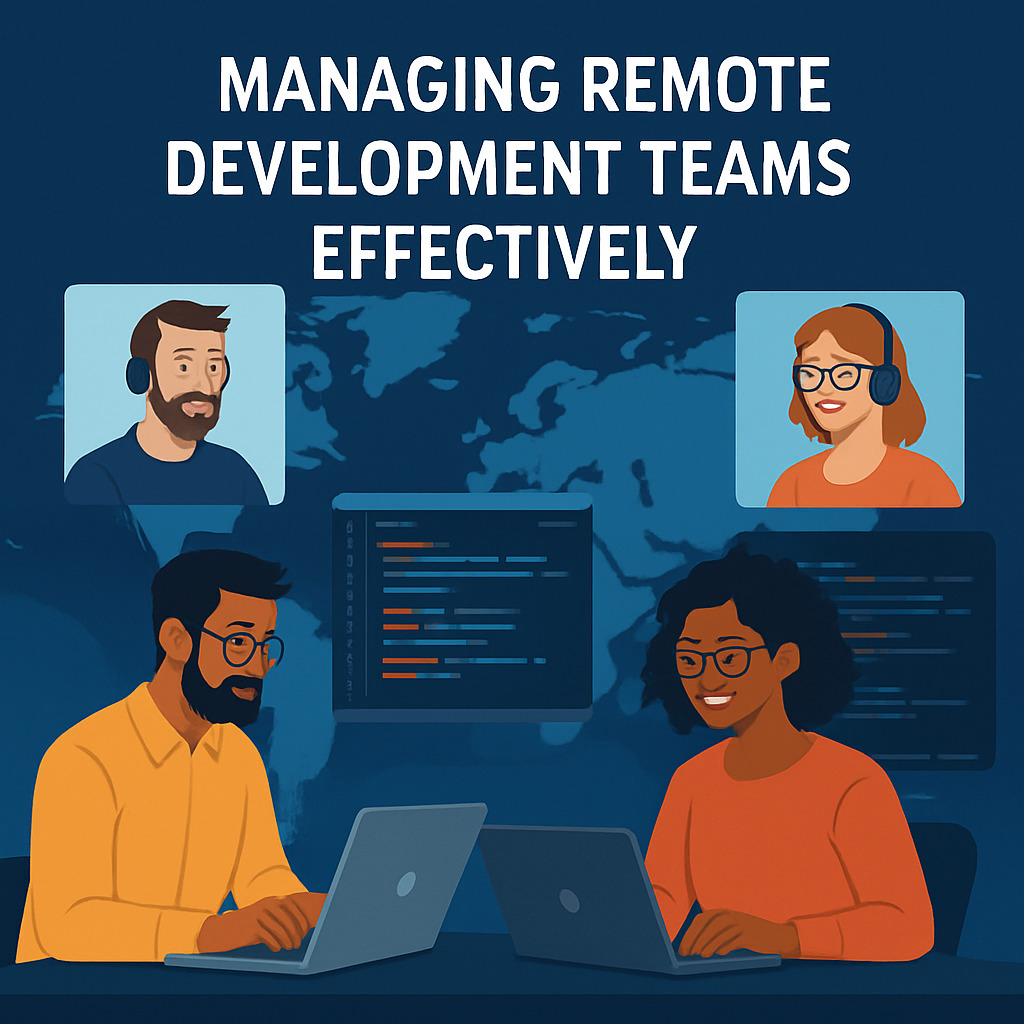
Managing Remote Development Teams Effectively in 2025
Learn how to effectively manage remote development teams with actionable strategies, best practices, and the benefits of working with developers from Eastern Europe.