How AI Is Changing the Role of Cyber Security Experts
- 1 min read
Discover how AI is reshaping cyber security roles, from threat detection to strategic risk management, and what it means for modern IT leaders.
Introduction
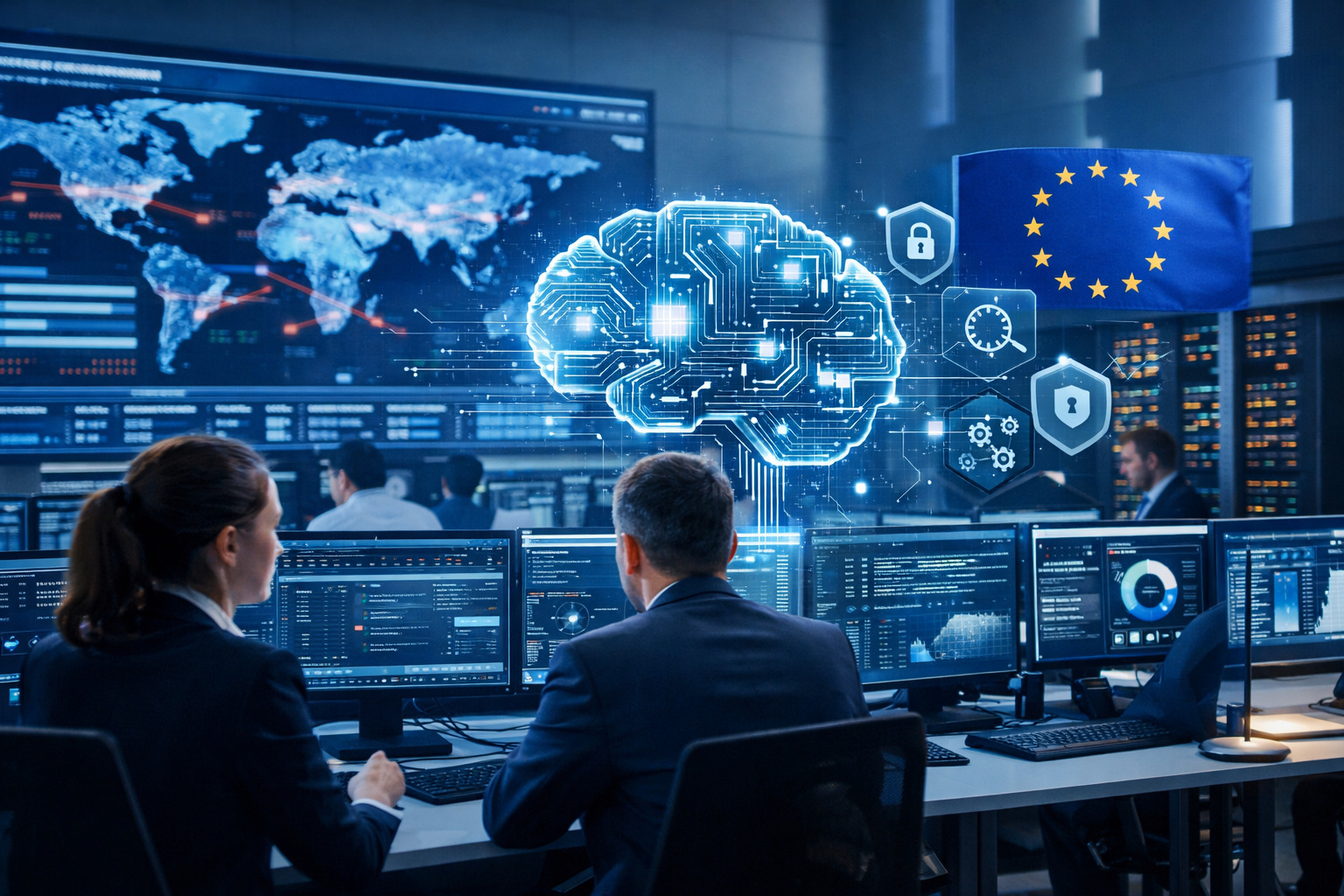
Cyber security is no longer a purely reactive discipline. Artificial intelligence is fundamentally reshaping how threats are detected, analyzed, and mitigated across modern enterprises.
As attack surfaces expand and threat actors become more sophisticated, traditional security models struggle to keep pace. This shift places new expectations on cyber security experts, moving them beyond manual monitoring toward strategic oversight and decision-making.
For organizations operating across Europe’s complex regulatory and digital landscape, understanding this transformation is no longer optional. It is a critical component of resilient IT strategy.
The Challenge: Growing Threat Complexity
Modern cyber threats evolve faster than human-led processes can respond.
Security teams face:
- Millions of daily security events and alerts
- Advanced persistent threats using automation and AI
- Increasing regulatory pressure on data protection and incident response
- Talent shortages in experienced cyber security professionals
As a result, alert fatigue and delayed response times have become common risks for enterprises.

The Approach: From Manual Defense to Intelligent Oversight
AI introduces a shift from task-heavy operations to intelligence-driven security management.
Key changes include:
- Automated triage of security alerts
- Behavioral analysis instead of signature-based detection
- Continuous learning from historical and real-time threat data
- Prioritization of incidents based on business impact
Cyber security experts increasingly act as decision-makers and risk advisors, validating AI outputs and shaping response strategies.
The Technology Factor: How AI Supports Security Teams
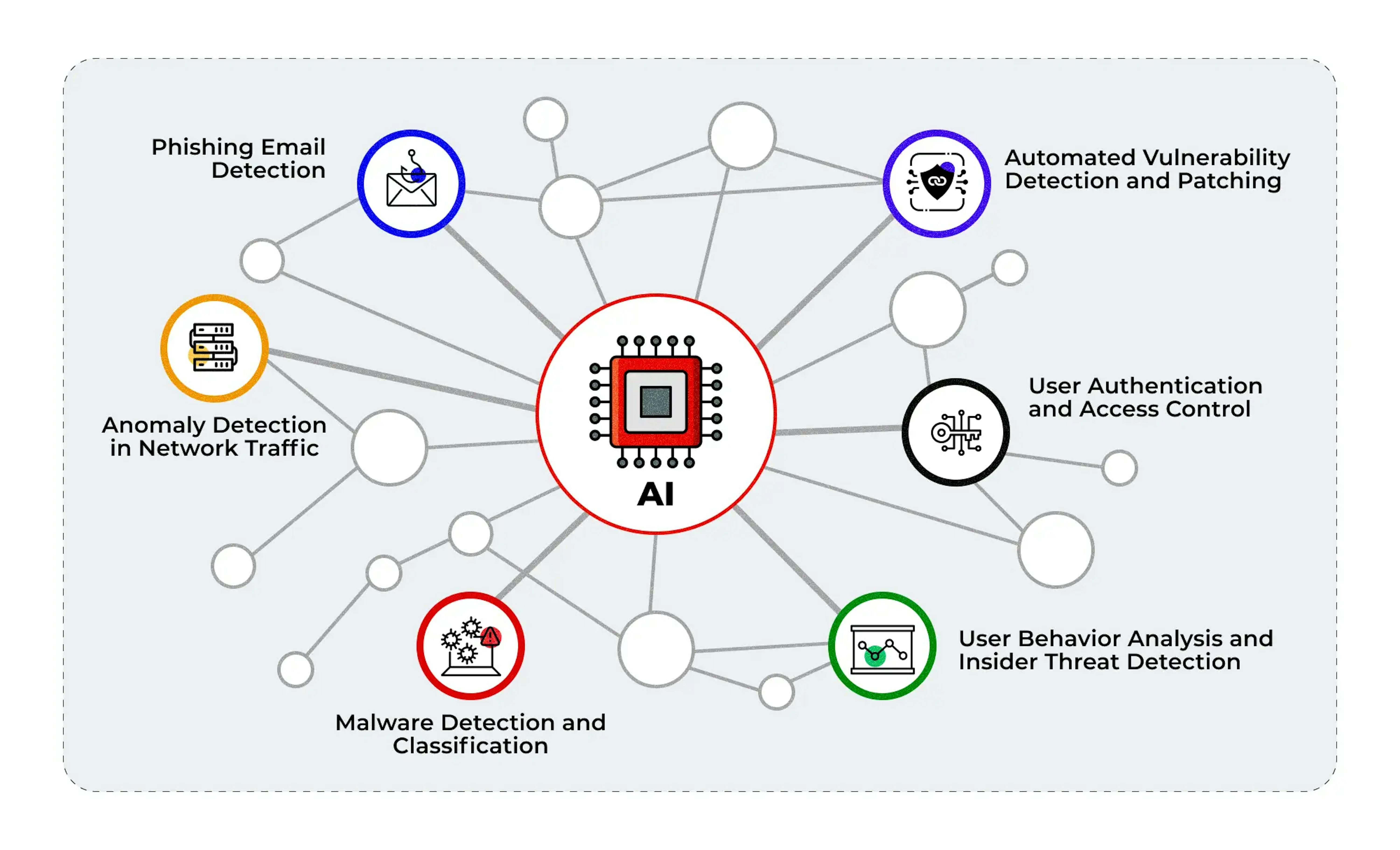
AI-powered tools enhance cyber defense across multiple layers.
Common applications include:
- Machine learning models for anomaly detection
- Natural language processing for threat intelligence analysis
- Automated incident response workflows in SOC environments
- Predictive analytics to identify vulnerabilities before exploitation
Frameworks aligned with standards such as the NIST Cybersecurity Framework support structured adoption of these technologies. Reference: https://www.nist.gov/cyberframework
Industry Insight: Data-Driven Security Operations
Industry research confirms the operational impact of AI in cyber security.
According to Gartner, organizations using AI-driven security analytics can reduce incident response times by up to 60 percent compared to traditional models. AI-enhanced SOCs also demonstrate higher detection accuracy for zero-day threats.
McKinsey reports that automation in security operations enables teams to reallocate up to 40 percent of analyst time toward strategic risk management and architecture design. Reference: https://www.mckinsey.com/capabilities/risk-and-resilience/our-insights
Euro IT Sourcing Perspective
From our experience working with European tech firms, the role of cyber security experts is clearly evolving.
Clients increasingly seek professionals who:
- Understand AI-driven security platforms
- Can interpret machine-generated insights in a business context
- Collaborate closely with IT, legal, and compliance teams
- Focus on resilience, not just prevention
Rather than replacing expertise, AI amplifies the value of skilled security professionals, allowing them to operate at a higher strategic level.

Results and Impact
Organizations that effectively integrate AI into cyber security operations typically achieve:
- Faster threat detection and response cycles
- Reduced operational costs in SOC environments
- Improved compliance reporting and audit readiness
- Greater scalability without linear team growth
Industry benchmarks indicate that AI-enabled security teams can manage 30 to 50 percent more incidents without increasing headcount.
Key Takeaways
- AI is transforming cyber security roles from reactive to strategic
- Security experts now focus on validation, risk assessment, and governance
- AI-driven tools reduce alert fatigue and improve response accuracy
- Successful adoption requires skilled professionals, not just technology
- Enterprises that adapt early gain measurable resilience advantages
Author & Contact
Author: Matt Borekci Contact Us: Euro IT Sourcing
Image Prompts
Cover Image Prompt Professional horizontal (16:9) image featuring the blog title "How AI Is Changing the Role of Cyber Security Experts", reflecting a modern tech environment, data visualization, and a European business aesthetic. No text overlay, clean and premium look.
In-Content Image Prompt Modern infographic-style image showing AI-driven cyber security workflows and SOC automation. Minimalist, vector-style, blue-grey tones, suitable for a B2B blog.
What Does a Cyber Security Expert Do? A Complete Guide
Discover what a cyber security expert does, their roles, skills, and how they protect businesses from digital threats.
How Much Does a Cyber Security Expert Earn? Salary Insights for 2025
Explore 2025 cybersecurity salary trends, including global averages, roles in demand, and how outsourcing impacts IT security hiring.