Psychological Safety in Remote Teams: Building Trust Across Global Borders
- 1 min read
Remote work requires deep psychological safety. Build a foundation of trust to unlock innovation and performance in your globally distributed IT teams.
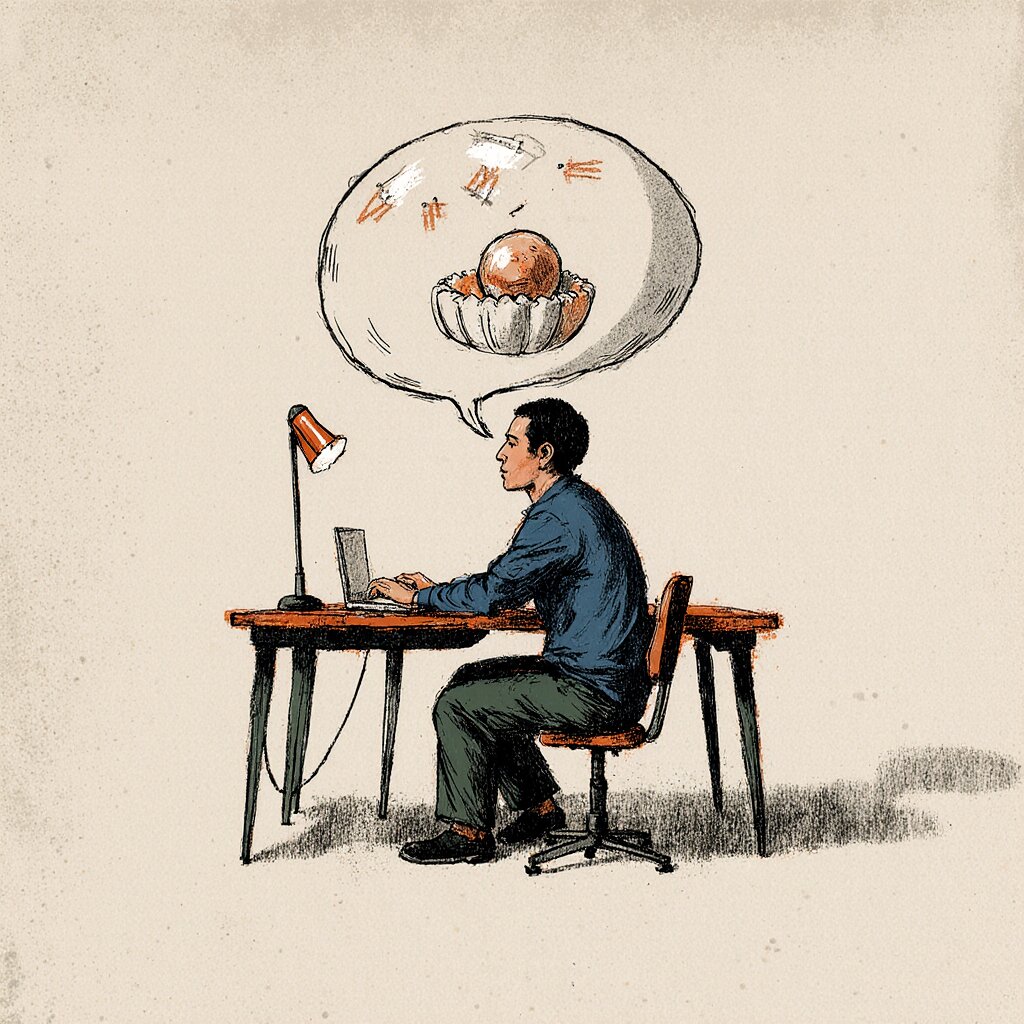
Why Most Enterprises Struggle to Build Trust Remotely
Remote work is no longer novel—it is the operational reality for most enterprise IT functions. However, physical distance has created profound unseen gaps. The spontaneous interaction that once anchored team cohesion is largely gone.
When teams operate across borders, a critical component often erodes: psychological safety. This isn't just about friendliness or comfort. It is the shared belief that the team environment is safe for interpersonal risk-taking.
In tech teams, this erosion manifests subtly. Developers hesitate to question a flawed architecture. QAs under-report bugs for fear of blame. Innovation stalls because the cost of being "wrong" feels higher when communication occurs entirely through screens. This creates significant risk for European enterprises managing complex, distributed delivery models.
The Strategic Imperative of a Safe Remote Environment
Psychological safety directly correlates with performance. According to pioneering research, it is the number one predictor of team effectiveness. In a remote setting, where spontaneous collaboration is rare, safety must be deliberately engineered into the culture.
Distributed teams lack the visual cues and social context of an office. A simple critique can be misinterpreted as an attack. Without intentional effort, silence becomes the default, and critical information stops flowing.
Enterprises must recognize that psychological safety is not a "soft" HR initiative. It is a strategic foundation for resilience and agility. Safe teams adapt faster, identify risks earlier, and possess the trust needed to navigate complex challenges without collapsing into silences or siloes.
- Silence in Meetings: Few questions or dissenting views during key discussions.
- Aversion to Admitting Mistakes: Blame is deflected or errors are obfuscated.
- Low "Risk-Taking": Team members stick rigidly to the status quo.
- Increased Conflict Over Email/Chat: Misunderstandings escalate quickly.
- High Turnover: Valuable talent quietly disengages and exits.

Building Trust Across Global Borders: Operationalizing Safety
Creating a psychologically safe environment for remote teams requires more than just good intentions; it demands concrete, consistent structural changes and leadership behaviors.
Leader as Facilitator, Not Director
Leaders must shift their role from directive oversight to intentional facilitation. This means modeling vulnerability. A leader admitting "I don't know" or "I made a mistake here" significantly lowers the barrier for others to do the same.
In a cross-border context, this also means actively soliciting diverse viewpoints. European teams often operate within varied communication styles; leaders must ensure all voices, not just the loudest or geographically dominant ones, are heard and validated.
Structuring for Safety
Processes must actively encourage open communication. Use asynchronous tools for deep work and structured synchronous time (like daily scrums or weekly retrospectives) specifically for team alignment and problem-solving.
For remote teams, structure creates safety. Clear expectations around responsiveness, communication channels, and meeting protocols reduce anxiety and ambiguity, allowing team members to focus on their work.
Feedback Beyond Metrics
Focus feedback loops on learning and growth, not just performance metrics. Implement regular anonymous pulse surveys to gauge team sentiment and identify potential issues before they escalate. Feedback must be a two-way conversation focused on continuous improvement, not a top-down assessment.
Navigating Cross-Cultural Safety Dynamics
Psychological safety is not universally perceived or enacted. Different European cultures have varying attitudes towards authority, feedback, and risk.
A high-context culture might view direct critique, even if constructive, as disrespectful. Conversely, a low-context culture may value explicit candor over subtle implication. Successful distributed leadership requires a keen understanding of these nuances.
Building trust across borders means creating shared rituals and norms that transcend these differences. A single, consistent "team culture" should be defined and reinforced, acknowledging diverse origins while uniting under common principles of respect and open communication.
Euro IT Sourcing Perspective
From our experience working with European technology-driven organizations, we have observed that psychological safety is the most significant yet under-emphasized differentiator between high-performing distributed teams and those that merely survive.
Our partners who successfully cultivate a safe environment see a tangible acceleration in product delivery and a marked increase in team morale. They are better equipped to leverage their distributed talent pool effectively because trust, not geography, is their unifying principle. It is not a challenge that technology alone can solve; it requires deep cultural intentionality.
Impact and Results: The Business Case for Safety
Prioritizing psychological safety in remote teams delivers compelling business results. Safe teams are 12% more productive and exhibit a dramatic reduction in operational risk due to proactive issue identification.
Beyond raw performance, safety drives innovation. A culture where employees feel secure in challenging assumptions is essential for agile methodology and continuous improvement.

For enterprises competing for top tech talent across Europe, a strong culture of psychological safety is a critical differentiator. Engaged, safe employees are far less likely to leave, reducing costly talent turnover and preserving critical institutional knowledge.
Key Takeaways
- Safety is Strategic: It is a prerequisite for innovation, resilience, and high performance in remote teams.
- Deliberate Effort Required: It cannot be assumed; it must be engineered into cross-border team culture.
- Leadership Sets the Tone: Modeling vulnerability and inviting feedback are critical leadership behaviors.
- Structure Provides Security: Clear processes and norms reduce anxiety in distributed environments.
- Culture Over Geography: Shared rituals and defined team culture transcend border differences.
Author: Matt Borekci https://www.linkedin.com/in/matt-borekci
Contact Us: https://www.euroitsourcing.com/en/contact

Nearshore Software Development in Europe: CEE Cost, Culture, and Compliance Advantages
Discover how CEE nearshoring delivers cost savings, cultural alignment, and GDPR compliance for Western European tech leaders scaling engineering teams.