The Evolution of Co-Creation: Moving Beyond Simple Staff Augmentation
- 1 min read
Discover why European enterprises are migrating from traditional IT staff augmentation to strategic co-creation models to accelerate digital transformation.
Why Traditional Staff Augmentation Is Failing Modern Enterprises
The traditional IT outsourcing playbook is broken. For over a decade, European enterprises relied on simple staff augmentation to fill immediate talent gaps, treating external engineers as temporary, transactional resources. While this model successfully addressed short-term capacity issues, it introduced significant long-term structural liabilities. Organizations frequently suffer from severe knowledge fragmentation, high developer turnover, and a complete misalignment between code delivery and business outcomes.
In the current European economic landscape, velocity and specialized expertise dictate market leadership. Relying on transactional body-shopping means your internal leadership spends critical time micromanaging external personnel instead of driving core product innovation. When the contract ends, the intellectual property and architectural understanding walk out the door, leaving internal teams with technical debt and maintenance burdens.
To scale effectively in a competitive digital economy, CTOs and CIOs must pivot away from simple capacity filling. The paradigm has shifted toward deep operational integration, collective ownership, and shared risk.
The Operational Mechanics of the Co-Creation Model
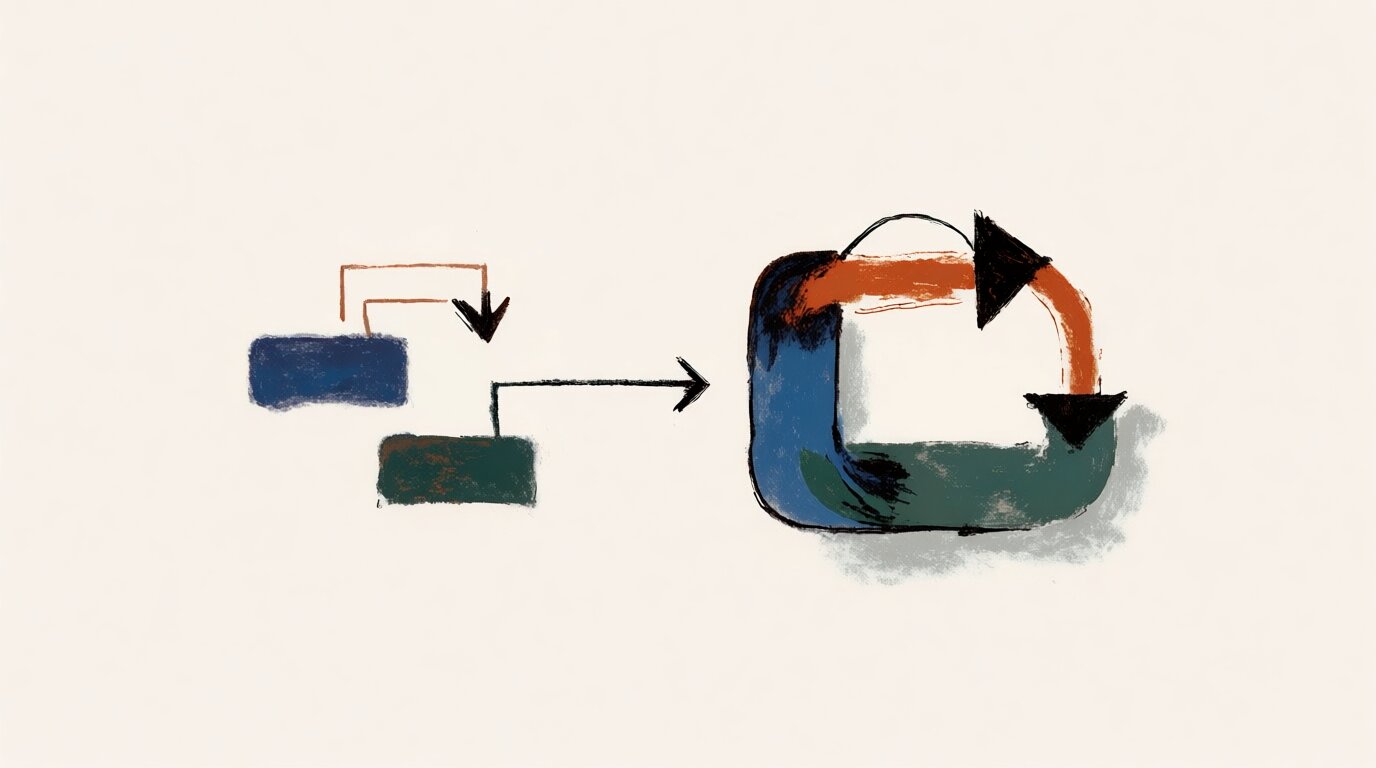
Moving beyond simple staff augmentation requires a structural shift to co-creation. In a standard staff augmentation setup, vendors supply individual contributors who execute predefined tasks under the direct management of the client. The vendor assumes zero responsibility for the ultimate quality, architecture, or delivery timeline of the software.
Co-creation completely redefines this relationship by deploying cross-functional, autonomous teams that embed deeply into your organization. These squads arrive with established working relationships, standardized engineering practices, and integrated QA protocols. They do not just execute requirements; they actively challenge assumptions, contribute to product architecture, and share accountability for product success.
This model transitions the engagement from an hourly billing exercise to a value-driven partnership. By sharing delivery risks, both organizations remain completely aligned on velocity, quality, and long-term scalability.
Navigating the Strategic Architecture of Co-Creation
Transitioning to a co-creation framework requires clear structural alignment across multiple operational layers.
- Strategic Alignment: Define joint business objectives and shared key performance indicators (KPIs) before writing any code. Partners must understand the commercial outcome, not just the technical specification.
- Knowledge Infrastructure: Establish unified, transparent documentation standards. Utilize shared repositories and collaborative architectural reviews to ensure intellectual property stays permanently accessible to your internal team.
- Cultural Integration: Treat co-creation squads as extended peers. Include them in core sprint planning, architecture guilds, and retrospective meetings to build trust and eliminate communication barriers.
- Governance and Metrics: Shift management from tracking individual hours logged to measuring team velocity, code deployment frequency, and defect escape rates.
Balancing Risks, Costs, and Vendor Governance
Every delivery model involves structural trade-offs. Co-creation requires a higher upfront investment in onboarding, cultural alignment, and legal framework preparation than purchasing temporary engineering hours. Because external teams integrate deeply into your core systems, vendor selection becomes a critical business decision rather than a simple procurement checklist.
However, the risk profile of co-creation drops sharply over time. Traditional staff augmentation exposes enterprises to continuous re-onboarding costs as individual contractors cycle through projects. Co-creation mitigates this risk through team stability and structured knowledge management. According to research by McKinsey & Company, highly collaborative vendor models consistently yield better long-term cost optimization and superior product outcomes compared to pure transactional sourcing.
The Shift to Value-Driven European IT Delivery
The data shows a clear macroeconomic trend across the European technology landscape. Enterprises are actively consolidating fragmented vendor lists in favor of deeper, strategic partnerships. As digital ecosystems grow more complex, the cost of managing fractured, low-context outsourcing teams increases exponentially.
Industry benchmarks from organizations like Gartner indicate that companies utilizing integrated product delivery models experience significantly higher agility and faster time-to-market. By embedding specialized product managers, architects, and engineers who understand European regulatory frameworks, including GDPR and local data compliance, modern tech leaders can execute complex cloud and AI initiatives without sacrificing security or operational control.
From Our Experience at Euro IT Sourcing
From our experience working with European technology-driven organizations, the turning point for scaling software development always comes down to structural trust. We have frequently observed enterprises enter a cycle of missed deadlines and mounting technical debt simply because their outsourced talent lacked the context and authority to make sound architectural decisions.
True engineering velocity happens when external teams operate with high context and clear ownership. When we build co-creation squads for our partners, we focus heavily on establishing immediate semantic alignment - ensuring our engineers understand the business domain as deeply as your internal stakeholders. This approach transforms the delivery lifecycle, allowing internal leadership to step away from daily task management and focus entirely on strategic differentiation.
Realizing Quantifiable Enterprise Impact
Transitioning to an integrated co-creation framework delivers measurable improvements across every core software development metric:
- Accelerated Time-to-Market: Autonomous squads remove the onboarding friction that typically stalls projects, reducing time-to-market for major product releases.
- Sustainable Cost Optimization: Eliminates the hidden overhead of continuous developer replacement, knowledge drain, and extensive internal management.
- Enhanced Code Quality: Shared ownership and embedded testing frameworks significantly lower post-release defect rates and reduce technical debt.
- Robust Intellectual Capital: Structured knowledge transfer loops ensure that your internal team inherits a fully documented, stable, and easily maintainable codebase.
Key Takeaways
- Evaluate Value, Not Hourly Cost: Transition procurement metrics from low hourly rates to total value delivered, code quality, and team velocity.
- Prioritize Operational Context: Ensure your engineering partners are integrated deeply enough to understand business goals, not just isolated jira tickets.
- Protect Intellectual Property Early: Build formal knowledge-sharing mechanisms directly into your delivery process to prevent critical technical insight from leaving with external teams.
- Choose Long-Term Partners Over Vendors: Select collaborative organizations capable of sharing delivery risks and adapting alongside your digital transformation strategy.
Author: Matt Borekci https://www.linkedin.com/in/matt-borekci
Contact Us: https://www.euroitsourcing.com/en/contact

Breaking Down Software Product Costs Through Outsourcing: A Smarter Investment?
Outsourcing software development is a cost-effective strategy that optimizes expenses across various project phases. While in-house development comes with high labor, infrastructure, and overhead costs, outsourcing reduces expenses through global talent access, scalability, and faster time-to-market. Different outsourcing models—staff augmentation, dedicated teams, and full outsourcing—offer varying levels of cost savings and flexibility. However, businesses must navigate potential hidden costs, such as communication barriers and quality control issues. When managed strategically, outsourcing not only cuts costs but also enhances efficiency and accelerates innovation.

Staff Augmentation vs. Project Outsourcing: Which ICT Outsourcing Model Is Right for You?
Discover the key differences between staff augmentation and project outsourcing in ICT. Learn which outsourcing model best suits your business goals, budget, and project timeline.